

The situation
A brand marketer messages an agency: “We need BTL in Mumbai and Delhi next month for our new SKU. Please share costing.”
That message is common—and incomplete. This use case shows how to turn it into an executable brief so both sides stop guessing. Use it as a template whether you hire Clogik or run field teams in-house.
Why vague briefs create expensive noise
Without a primary objective, agencies price a generic package. On ground, teams optimise for activity (hours stood, units handed) instead of learning (which micro-market converts). You pay for motion, not decisions.
Rewrite the ask in six fields
1. Objective (one sentence)
Example: “Generate 8,000 qualified trials among 25–40 urban parents in Mumbai Western suburbs and Delhi NCR societies over 3 weekends, with feedback forms for flavour preference.”
2. Audience
Who is in-scope and out-of-scope? Parents with kids under 12? Office-goers only? Language preference?
3. Geography with roles
- Mumbai Western suburbs: society + mall mix for trial
- Delhi NCR: society-first in two boroughs; malls only if society pipeline slips
4. Venue rules
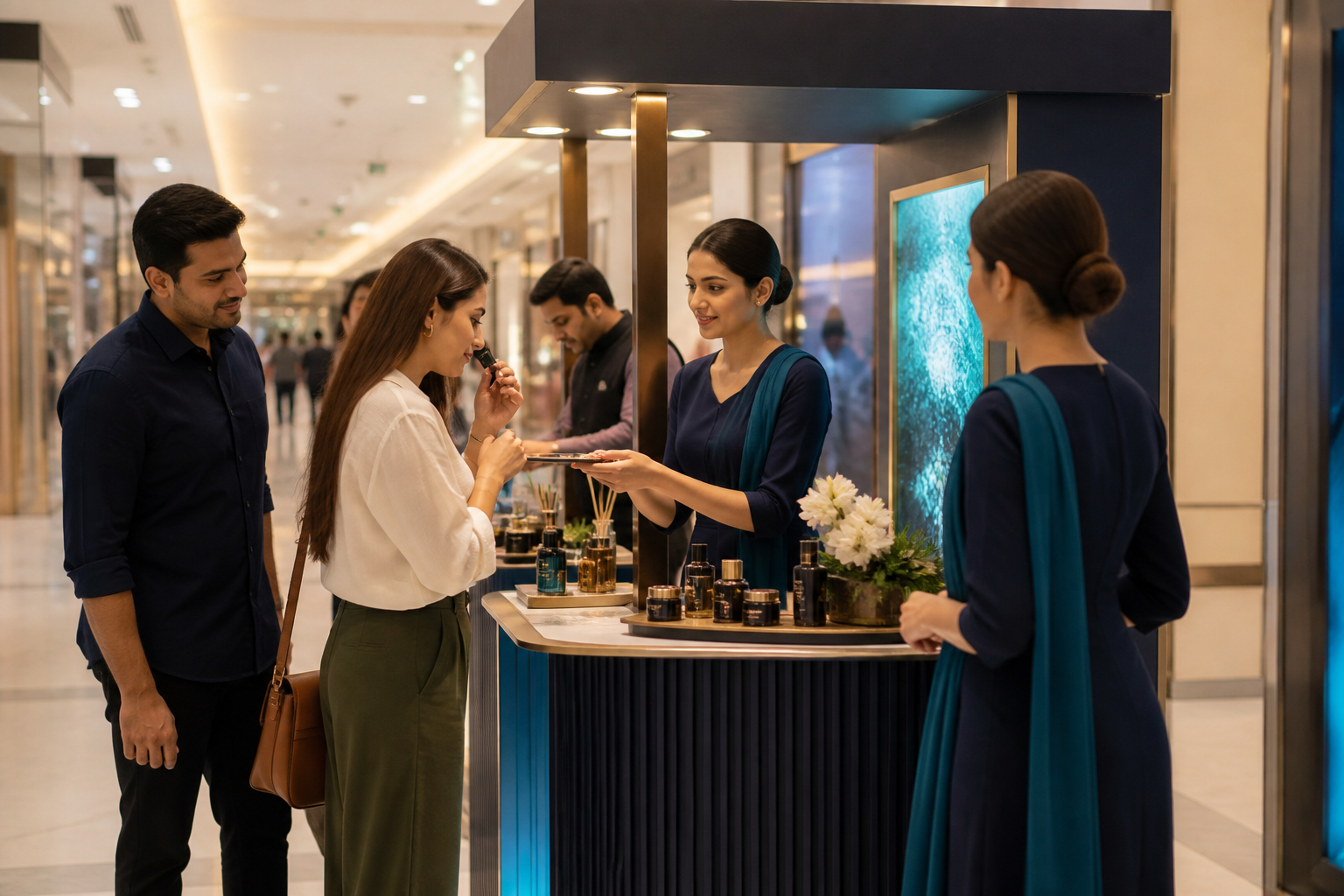
Allowed: society courtyards, approved mall kiosks. Not allowed: traffic signals, school gates without written permission.
5. Offer and compliance
What can promoters say? Any claims legal has banned? Sampling limits per person?
6. Reporting standard
Daily location report + weekly insight note answering: What should we change next weekend?
Sample brief (copy and adapt)
Campaign: New SKU parent trial Primary KPI: Completed feedback cards per 100 interactions Cities: Mumbai (Western), Delhi NCR Duration: 3 weekends Team: 2 promoters + 1 supervisor per location Languages: Hindi + English; Marathi for selected Mumbai societies Must-have reporting: venue name, footfall window, stock, issues, 5 qualitative notes Budget band: share internally before agency bidding
What happens after the brief is clear
- Agency proposes venue classes and a beat plan.
- Recce validates the first 10 locations.
- Weekend one runs as a pilot, not a national climax.
- Weekend two changes based on data—not opinions.
What usually goes wrong after a vague brief
- Costing comes back in formats that cannot be compared. One agency prices per promoter-day, another per location, a third as a package.
- Venues are chosen on availability, not fit. Whichever mall or society says yes first enters the plan.
- Compliance is discovered on the floor. Promoters improvise claims because the approved script arrived late or not at all.
- Reporting is decided after the campaign. The brand asks for insight on Monday, and the only data is photos and a handout total.
- The pilot quietly becomes the launch. With no review built in, weekend two repeats the mistakes of weekend one.
Checklist before you ask for costing
- One-sentence objective with a single primary KPI
- In-scope and out-of-scope audience, with languages
- Cities and the role of each: pilot, scale or hold
- Venue classes that are allowed and not allowed
- Approved claims, banned claims and sampling limits from legal
- Reporting fields required per location, per day
- Consent wording for any contact details collected
- A review date between weekend one and weekend two
- An internal budget band, so proposals are compared on the same basis
Where systems make the brief executable
A good brief describes decisions; systems make sure the floor produces the data to take them. On an on-ground programme in India the chain usually looks like this:
- Digital recce validates each venue against the brief's rules before it enters the beat plan.
- Field data collection turns feedback cards into a short mobile form tagged to venue and time.
- Field reporting gives the brand a location-wise daily view of attendance, stock, issues and notes.
- Proofield adds GPS and time-stamped photo proof where the brand needs evidence of presence at each site.
- Product sampling and brand activations are the execution formats that then run inside this structure.
If the brief also needs event technology on the floor, such as a game, a wall or registration, read how to choose an interactive event technology partner in India.
How to measure the pilot weekend
Use the KPI from the brief as the headline, and compare venues and cities on ratios: completed feedback per interaction, consented opt-ins per location, stock issued against stock reconciled and issues logged per day. Then answer the reporting standard's question in writing: what changes next weekend? If the honest answer is nothing, either the pilot was perfect or the data is not good enough to decide.
Related Clogik reading



Takeaway
A real BTL brief is a decision document. If a stranger can execute your weekend without calling you every hour, the brief is ready. If not, keep rewriting before you buy manpower.
Plan an on-ground campaign
Share your objective, cities, and timeline with Clogik.
WhatsApp Clogik ↗Frequently asked questions
What should a BTL brief include in India?
A one-sentence objective with one KPI, the audience, cities with roles, venue rules, approved claims, staffing, a reporting standard and an internal budget band.
Why do agencies ask so many questions after a BTL request?
Without an objective, venue rules and a reporting standard they can only price a generic package. The questions fill gaps the brief left open.
How should a multi-city BTL campaign be piloted?
Run the first weekend as a pilot in a limited set of venues, review the data, change one or two variables, then scale.
What reporting should a brand ask for from a BTL campaign?
A daily location-wise report (venue, time window, stock, issues, qualitative notes) and a weekly note on what to change next.
How do you compare BTL proposals from different agencies?
Send every agency the same brief and pricing format, with the same assumptions on venues, team size, duration and reporting.
Does Clogik run BTL campaigns?
Clogik's core work is event and experiential technology. On-ground campaigns, sampling and BTL run under enablement, on Clogik's recce, data capture and field reporting systems.