Home / Applications / AR & VR experiences
Clogik · Immersive
AR and VR experiences for events, expos and showrooms
Immersive tech earns its place when people can try it quickly and the brand learns something. We build VR games, walk-in 3D product experiences and camera-based AR that work with a queue, not just a demo.
VR games3D product roomsCamera-based ARSession data
Immersive experiences we have delivered
- VR cricket at fan parks, where visitors face deliveries in a headset alongside physical cricket challenges.
- 3D vehicle showroom: a safety-awareness experience where visitors explore airbags, cameras and safety features on a 3D model.
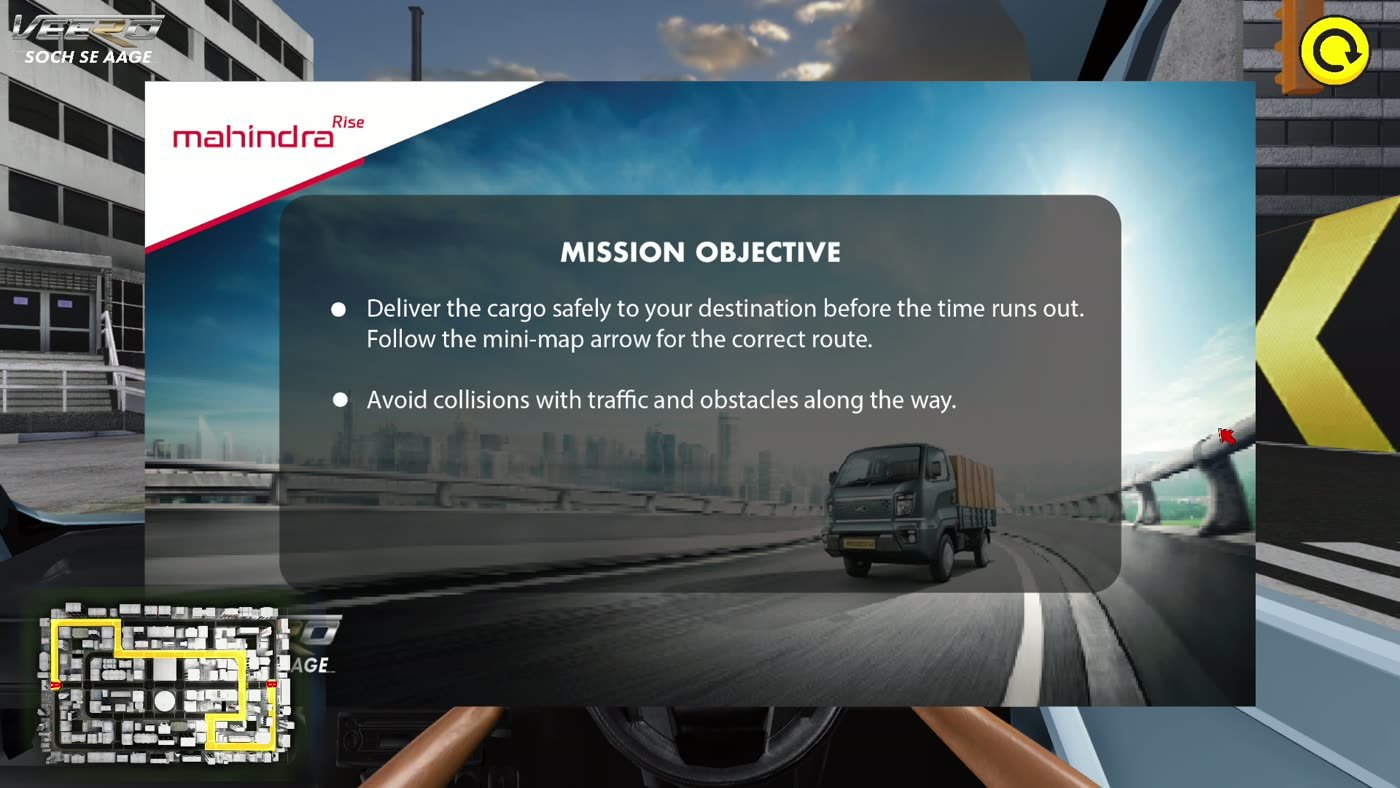
- 3D cargo mission: a driving mission through a live 3D city for a commercial-vehicle campaign.
- 3D room designer: visitors furnish a real-estate apartment live in 3D and see the result instantly.
See the credentials deck for stills.
AR without an app
Camera-based AR runs on a big screen or the guest's own phone browser, so nobody has to install anything. Typical uses are AR try-ons, product placement in the guest's space and AR effects in photobooth outputs. We scope AR when the brief needs it and keep the interaction under a minute so the queue keeps moving.
When headsets make sense, and when they don't
A VR headset gives the deepest experience, but one person at a time. It is right for a hero moment (a fan-park cricket face-off, a factory walkthrough) with a managed queue and hygiene routine. For high-footfall stands, a large-screen 3D experience or a gesture game usually reaches more people per hour. We will tell you which fits your floor.
Data from every session
Every immersive experience logs sessions, completion and time spent, and can capture consented contacts before or after play. The agency gets a dashboard it can share with the brand, not just photos of people wearing headsets.
Built on the same stack as our games and walls
Our immersive work uses the same Unity and web stack as our event games and interactive walls, so experiences can share content, leaderboards and lead capture. That also means a 3D product model built for a launch can be reused for a showroom or an expo later.
What we check before the event
Space for the play zone and queue, lighting (it affects tracking and AR), power, network, and the hygiene and staffing plan for headsets. We confirm these during recce before content is locked.
Formats that fit different budgets
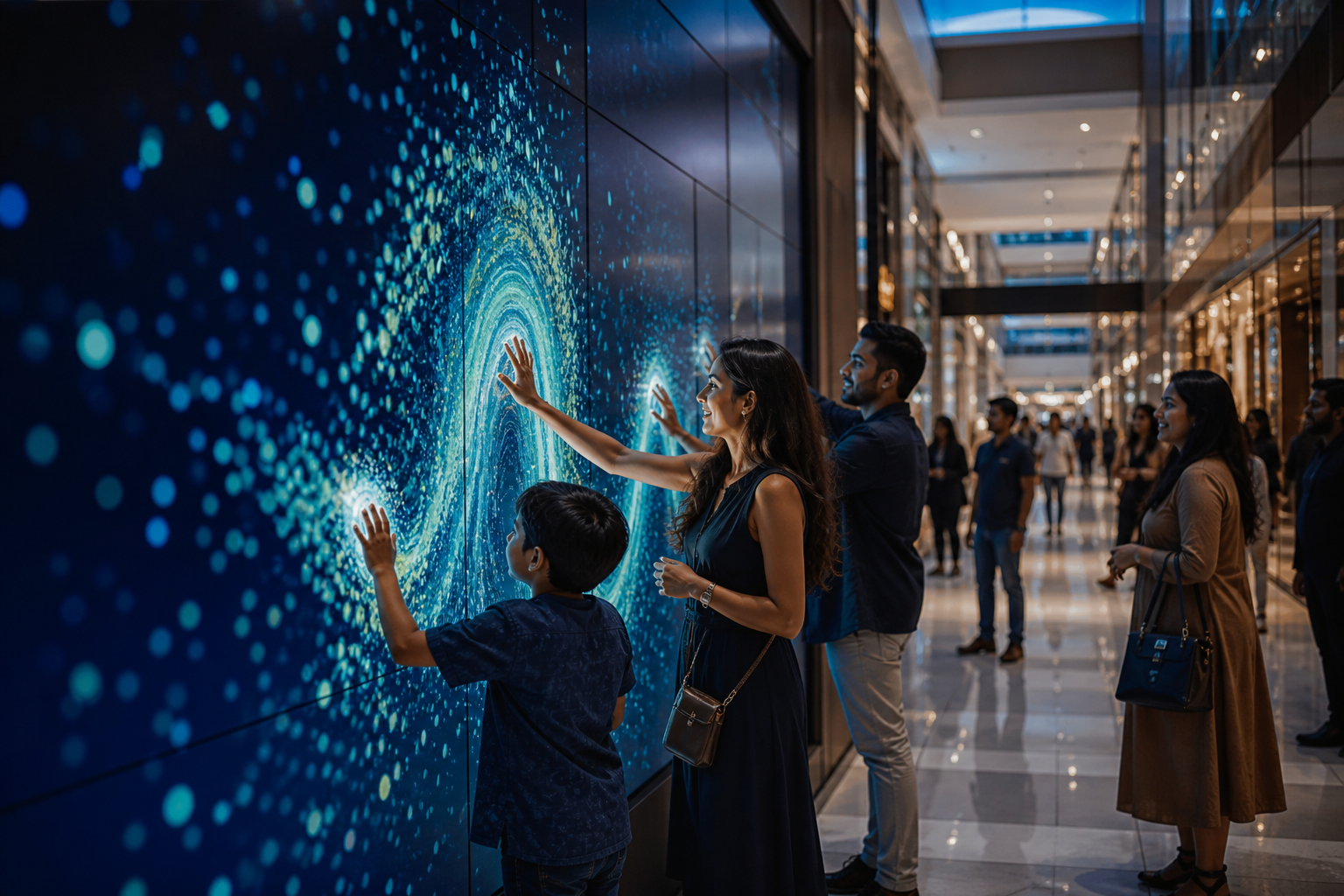
Not every brief needs headsets. A large-screen 3D experience driven by touch or gesture often delivers the product story to more people at a lower cost. A camera-based AR effect can be added to a photobooth or a printed poster without new hardware. VR is worth it when the experience itself is the headline, such as a sports face-off at a fan park or a walk through a place the guest could never visit.
We start from the story and the footfall, then pick the lightest format that tells it well, and keep the option to reuse 3D assets later.
Running immersive tech safely on the floor
Headset zones need a clear play area, a trained host, a cleaning routine between guests and a short safety brief. Big-screen and gesture experiences need good lighting and enough distance from the aisle. We plan the zone, the queue and the staffing so the experience runs all day, not just for the opening photo.
Frequently asked questions
What AR and VR experiences does Clogik build for events?
VR games such as VR cricket for fan parks, walk-in 3D product experiences such as a vehicle safety showroom, 3D room designers, and camera-based AR that runs without an app.
Is VR or a big-screen 3D experience better for an expo stand?
VR is best for a hero moment with a managed queue. For high-footfall stands, large-screen 3D or gesture games reach more people per hour. We recommend based on footfall and space.
Do guests need to download an app for AR?
No. We build camera-based AR that runs on a big screen or in the phone browser.
Can AR/VR experiences capture leads?
Yes. Sessions and completion are logged, and a consented form before or after the experience captures contacts for the brand.
Can a 3D model be reused after the event?
Yes. Models and experiences built on our stack can move to showrooms, later expos or a web experience.
How many people can a VR experience handle per hour?
One guest per headset at a time, so throughput depends on session length and the number of headsets. For high footfall we suggest large-screen 3D or gesture games alongside VR.
Do you supply VR headsets and hardware?
Yes. We can supply headsets, PCs, screens and sensors, or work with hardware already on the stand.
What do you need from us to start?
The venue and dates, the space available, the expected footfall and the product story. We suggest the format and footprint from there.