Home / Data Collection
Clogik · Campaign systems
Marketing Data Collection in India
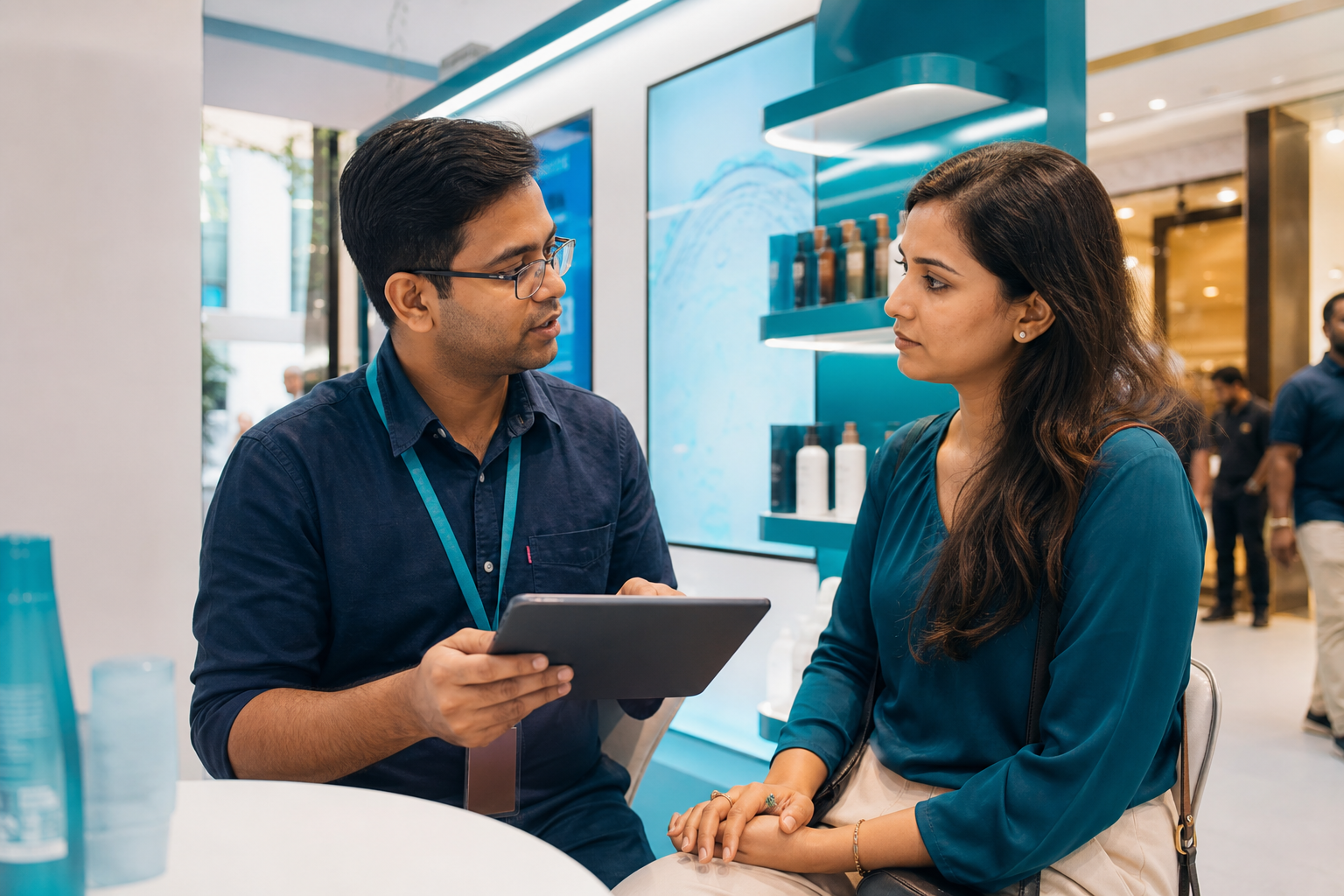
Surveys and feedback only help if they are logged cleanly in the field. We capture responses on site so the next brief is shaped by what actually happened—not what someone remembered on the flight home.
SurveysFeedbackComparable cities
Marketing teams often invest heavily in visibility but underinvest in what they learn from the field. Structured data collection turns activations, sampling drives, and BTL campaigns into a source of audience insight rather than one-time activity.
Clogik treats data collection as part of campaign design. Before teams go on ground, we define what to ask, how to log responses, and how findings will be reported—so Mumbai and Hyderabad results stay comparable.
Data we help capture
- Consumer feedback and product response summaries
- Survey responses tied to location and activity type
- Lead or interest indicators where applicable
- Operational notes that explain context behind the numbers
- Observations that support the next round of targeting
How collection fits your campaign
We define the data fields, collection method, and reporting format before teams go on ground. That keeps responses consistent across locations and makes analysis more useful for brand and agency stakeholders.
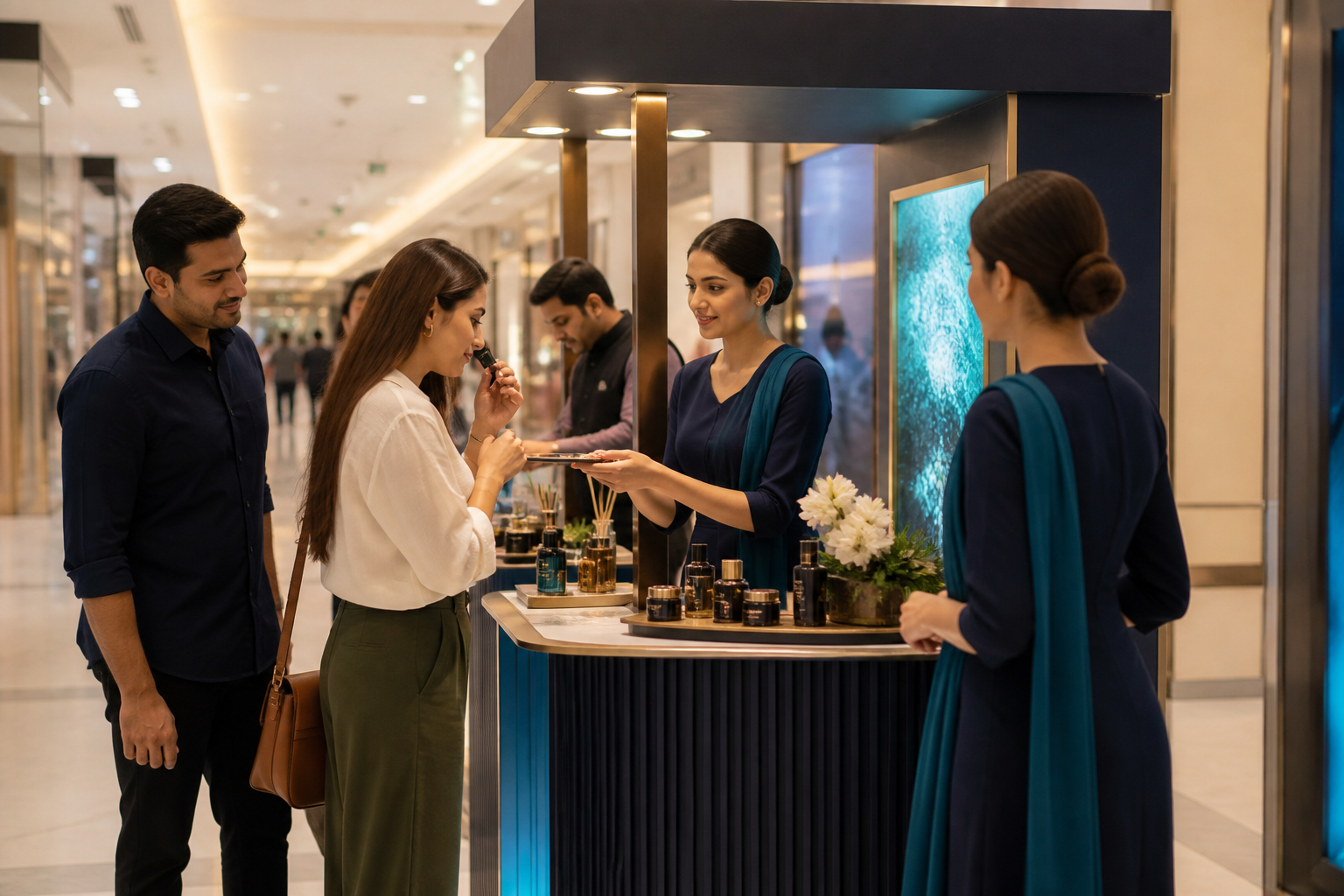
Short questionnaires work well during sampling or mall activations. Deeper surveys fit society or corporate environments where people can spend more time. The format should match the venue, not fight it.
Use cases
New product testing, message validation, post-activation learning, market entry research, and campaign optimization across one or multiple Indian cities. Brands also use field data to compare micro-markets before scaling a national rollout.
How field data collection works, step by step
- Decide what you need to learn. Start from the decision the data will inform—which city to scale, which message works, which venue converts—and work back to the questions.
- Build the form. Fields are set up in a drag-and-drop form builder: text, number, single or multiple choice, ratings, photo, and GPS, with mandatory fields where the answer matters.
- Pilot it. Run the form on a small batch of real respondents, cut questions that confuse people, and fix the order before scale.
- Train the field team. Promoters learn how to ask each question the same way, how to record consent, and what to do when a respondent declines.
- Capture on ground. Responses are logged on a phone or tablet at the moment of interaction. The app works offline and syncs when the network returns.
- Review while live. Supervisors check incoming data daily for gaps, duplicates, and unusual patterns by promoter or location.
- Hand over. The brand receives dashboards, exports, and a short read-out of what the data says.
Capture methods
Data quality controls
Clean data is designed in, not cleaned up later. Forms use mandatory fields and format checks so a ten-digit mobile number cannot be saved with nine digits. Every record carries a GPS location, a timestamp, and the promoter who captured it, so supervisors can spot entries made away from the venue. OTP verification can be switched on where the brand needs confirmed numbers, and duplicates are flagged before the export.
Consent and privacy
Respondents are told why their details are being collected and opt in before contact information is saved; the consent is stored with the record. We collect only the fields the brief needs, avoid sensitive personal data unless there is a clear purpose, and hand the data to the brand at the end of the campaign, in line with India's Digital Personal Data Protection Act.
What the brand receives
- A live dashboard filtered by city, district, venue, date, and promoter
- Excel exports of every consented record
- Summaries of ratings, choices, and common verbatim feedback
- Photo evidence linked to each location through field reporting
Where Clogik has collected field data
Live village lead capture from the CNHI tractor van; lead capture for the AMFI Bharat Nivesh Yatra; a campaign dashboard for the Life Insurance Council; and the GIC van-activity field platform, with route plans, a form builder, district-wise photo proof, and an offline promoter app. More in the credentials deck.
When this is not the right method
On-ground marketing data collection captures what happens at your activations. It is not a substitute for statistically representative market research with a designed sample. If the brief needs projectable market sizing or deep qualitative interviews, a research agency is a better fit; Clogik can still supply the field app and dashboards.
Planning checklist
- The decision the data should support
- Fields, answer options, and which are mandatory
- Consent wording and whether OTP is needed
- Cities, venues, and expected daily volume
- Dashboard viewers, export format, and handover date
Frequently asked questions
What marketing data can Clogik collect on ground?
Clogik can capture consumer feedback, survey responses, interest indicators, operational notes, and observations that help brands refine targeting and messaging after a campaign.
When should brands use field data collection?
Field data collection is useful for new product testing, message validation, post-activation learning, market entry research, and campaign optimization across one or multiple Indian cities.
How is field data kept consistent across locations?
Clogik defines data fields, collection methods, and reporting formats before teams go on ground so responses stay comparable across venues and cities.
How do I define data collection needs with Clogik?
Tell Clogik what you need to learn from the field on WhatsApp at +91 78384 07606. We will recommend a collection and reporting approach that fits your campaign.
Does field data collection work in areas with poor network?
Yes. The promoter app stores responses, photos, and GPS on the device when there is no signal and syncs them once the phone reconnects, which is how van and village activities are reported.
How is consent handled when collecting consumer data?
Respondents are told why their details are collected and opt in before contact information is saved. The consent is stored with the record, only necessary fields are collected, and data is handed to the brand at campaign end.
Can you verify phone numbers collected on ground?
Yes. OTP verification can be enabled on the form so only confirmed numbers are saved, and duplicate entries are flagged before the data is exported.
What format will we receive the data in?
Brands get a live dashboard filtered by city, venue, date, and promoter, plus Excel exports of consented records and a short summary of key responses and feedback.
Is on-ground data collection the same as market research?
No. It captures responses from people who meet your activation. For statistically representative research, use a research agency; Clogik can provide the field app, forms, and dashboards for either.