Home / Insights / Hologram vs interactive wall
Guide · Exhibitions & expos
Hologram display vs interactive wall for an expo booth
Holograms stop people in the aisle. Interactive walls keep them on the stand and capture who they are. Here is how to choose between them, or combine them, for an exhibition booth in India.
HologramInteractive wallBooth engagement
What hologram displays do
Hologram fans spin LED strips fast enough to make a floating 3D image, and hologram boxes show a person or product inside a lit cabinet. Both are strong at one job: making people stop and look. They are usually rented as hardware with content made to fit the display.
What interactive walls do
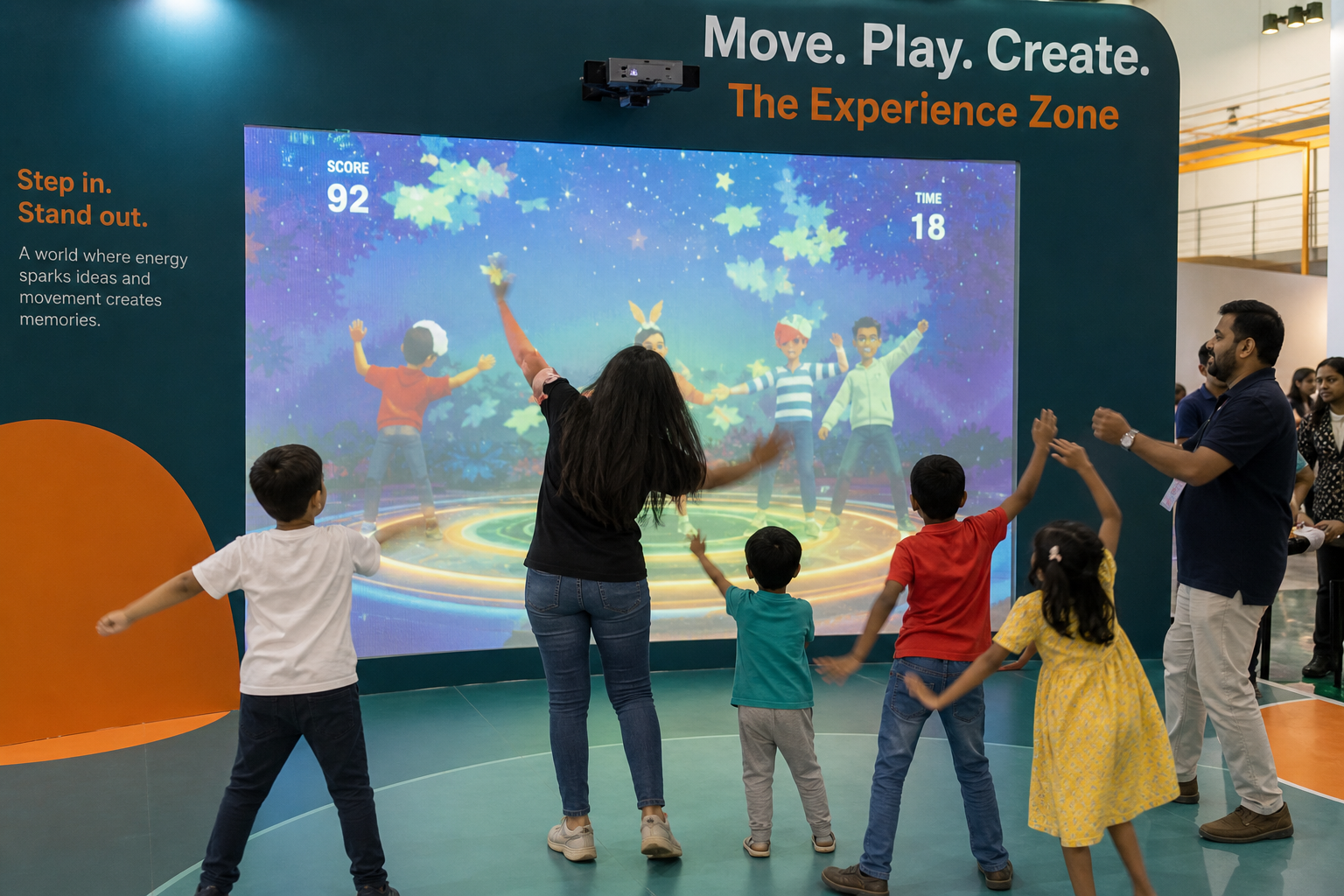
An interactive wall turns a large LED or projected surface into something people control by touch or movement: a game, a product explorer, a map. It holds several visitors at once and every session can be counted and linked to a lead. See interactive walls.
Attention vs dwell vs data
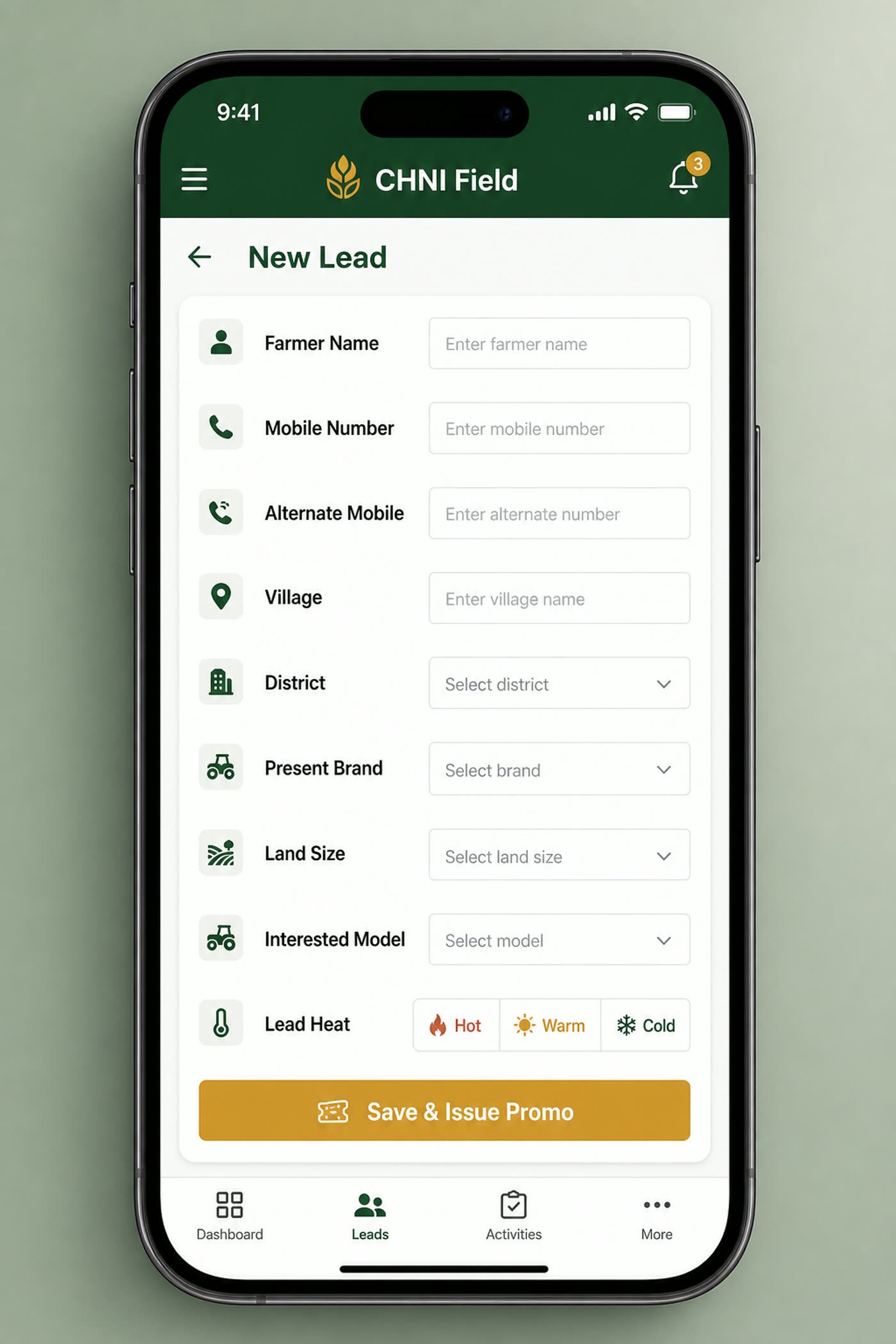
Holograms win the first three seconds. Interactive walls win the next three minutes, because visitors are doing something rather than watching. Neither captures data on its own unless you design it in: a hologram needs a QR or a staff conversation next to it, while a wall can end every play with a short consented form.
Space, power and content
Hologram fans need a safe, enclosed mounting and controlled viewing angles; boxes need floor space and darker surroundings. Walls need a full wall, viewing distance and a sensor. Both need stable power. Content for a hologram is a short loop; content for a wall is an interaction design, which takes longer but can be reused across shows.
When a hologram is the right choice
- A product reveal or launch moment where the goal is a single 'wow'.
- A small stand with no wall space but an aisle-facing corner.
- Paired with lead capture, so the attention turns into contacts.
When an interactive wall is the right choice
- Busy halls where you want visitors to stay and engage.
- Products with a range, network or story to explore.
- Shows where the brand needs engagement numbers and leads.
Using both
Some stands use a hologram at the aisle to pull people in and an interactive wall or game inside to hold them, with lead capture at the end. Clogik builds the interactive and data layers and can work alongside your hologram supplier.
Questions to ask your suppliers
- What will visitors do, not just see?
- How will we know who engaged, and can we contact them?
- What space, power and mounting does it need on our stand?
- Can the content be reused at the next show?
- Who runs it on the floor during show hours?
Frequently asked questions
Is a hologram or an interactive wall better for an expo booth?
Holograms are best for stopping people in the aisle; interactive walls are better for keeping them on the stand and capturing leads. Many stands combine them.
Do hologram displays capture leads?
Not on their own. Pair them with a QR form or a staff conversation so attention turns into contacts.
Does Clogik rent hologram fans?
No. We build interactive walls, games, AI photobooths and lead capture, and can work alongside a hologram supplier on the same stand.
How much space does each need?
A hologram fan needs a safe mounting point and controlled viewing angles; an interactive wall needs a wall-sized display, viewing distance and a sensor.
Can wall content be reused at the next show?
Yes. Interactive content built for one show can be updated and reused across shows and cities.